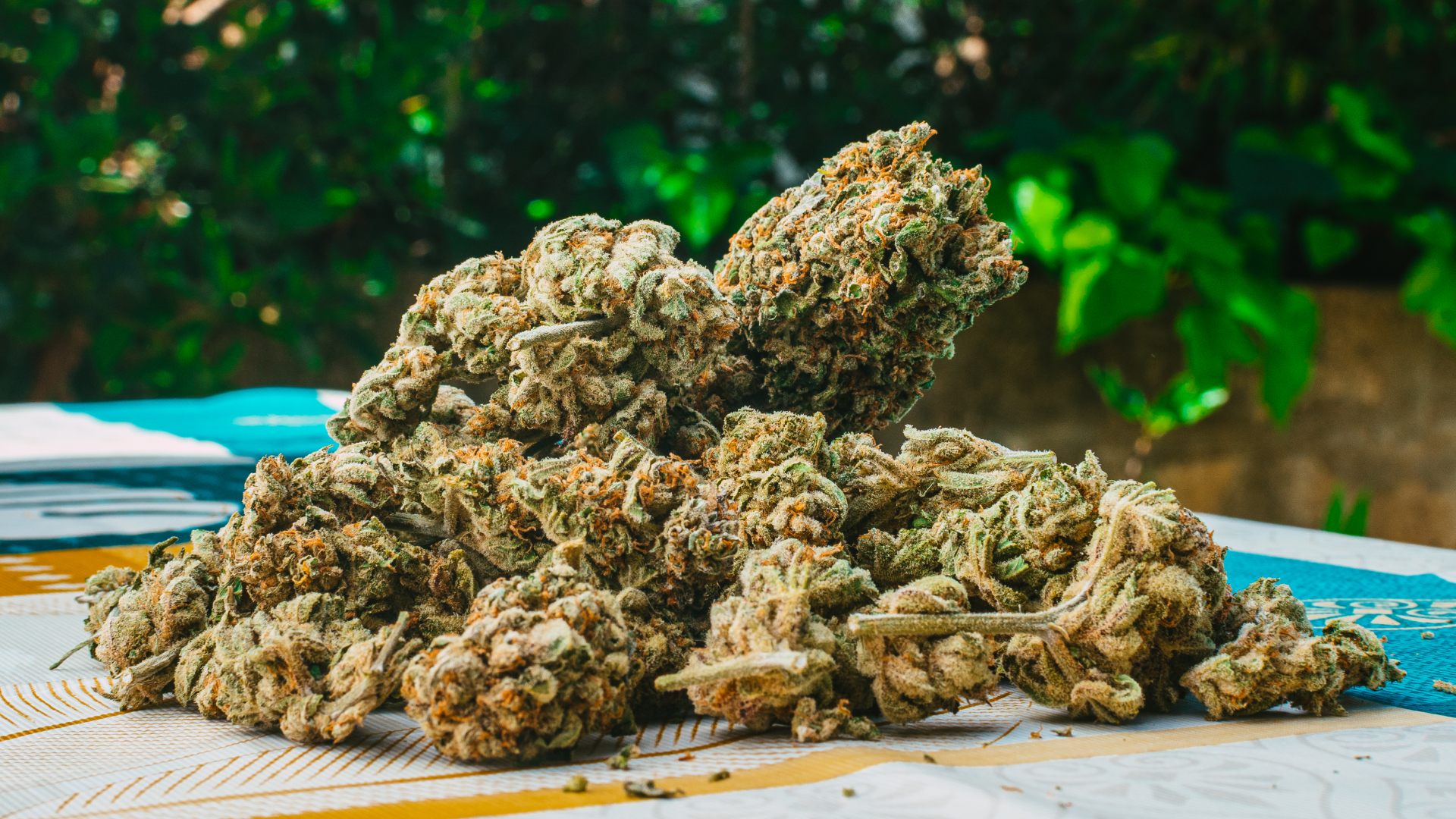


Many people search for ways to manage pain and improve their health. Research shows that cannabis can have significant health benefits. This article will explore how cannabis might be the answer to various medical conditions and health concerns.
Medical Benefits of Cannabis
THCA Sampler Pack provides relief for chronic pain and helps in the treatment of various health conditions like depression, PTSD, social anxiety, and epilepsy. Additionally, it shows promising potential in cancer treatment and management of multiple sclerosis.
Relief of chronic pain
Many people use medical marijuana for relief from chronic pain. This pain might come from injuries, arthritis, or many other conditions. Compounds in the plant, especially CBD and THC, can reduce discomfort by changing the way our brains respond to pain signals.
Doctors often suggest cannabis as an alternative when other pain treatments don’t work.
Next, we’ll talk about how cannabis helps with alcoholism and drug addiction.
Treatment for alcoholism and drug addiction
Cannabis has been found to be useful in treating alcoholism and drug addiction. It can aid individuals in managing withdrawal symptoms, reducing cravings, and supporting recovery efforts.
The compounds in cannabis may also help address underlying mental health issues that often co-occur with addiction, promoting a holistic approach to treatment.
Furthermore, some research suggests that cannabinoids could reduce the rewarding effects of addictive substances, potentially helping individuals break free from dependence. As such, the medical use of cannabis offers promise as part of a comprehensive strategy to address alcoholism and drug addiction within the realm of alternative medicine.
Improvement of mental health conditions (depression, PTSD, social anxiety)
Cannabis has shown potential in improving mental health conditions such as depression, PTSD, and social anxiety. The cannabinoids in marijuana may help regulate mood and reduce symptoms of these conditions.
Studies suggest that the use of cannabis can alleviate symptoms for individuals struggling with these mental health challenges, providing a promising avenue for alternative treatment.
Research into the effects of marijuana on mental health is ongoing, offering hope for those seeking natural remedies to manage their conditions.
Cancer treatment
Cannabis has shown potential for helping with cancer treatment. Some studies suggest that cannabinoids, the active compounds in cannabis, may inhibit tumor growth and cause cancer cell death.
Additionally, cannabis can alleviate chemotherapy side effects such as nausea and vomiting, which could improve the quality of life for cancer patients undergoing treatment. It’s important to consult a healthcare professional before using cannabis as a part of cancer treatment.
Management of multiple sclerosis
Transitioning from cancer treatment to the management of multiple sclerosis, it’s essential to note that cannabis has shown promise in alleviating symptoms of multiple sclerosis. Research suggests that cannabinoids found in cannabis may help manage muscle stiffness and spasms commonly associated with the condition, providing potential relief for individuals dealing with this neurological disease.
Additionally, some studies indicate that cannabis could aid in improving mobility and overall quality of life for those living with multiple sclerosis by targeting specific symptoms.
These findings underscore the potential benefits of incorporating cannabis as a complementary approach to managing multiple sclerosis.
Control of epilepsy
Cannabis can help control epilepsy by reducing the frequency and severity of seizures. The cannabinoids in marijuana, particularly CBD, have shown promise in managing epileptic symptoms.
Studies suggest that CBD may decrease seizure activity and improve overall quality of life for some individuals with epilepsy. This makes it a potential alternative option for those who do not respond well to traditional treatments or experience adverse effects from anti-epileptic drugs.
However, it is essential to consult with a healthcare professional before incorporating cannabis into an epilepsy treatment plan to ensure safety and effectiveness.
Health Risks and Concerns of Cannabis
Cannabis carries potential mental health risks and a possible link to testicular cancer. There are also concerns about its impact on respiratory health.
Potential for mental health problems
Marijuana use can potentially lead to mental health issues, especially in those predisposed to conditions like schizophrenia or bipolar disorder. Research suggests a link between heavy cannabis use and an increased risk of developing these disorders.
Additionally, long-term marijuana use during adolescence may negatively impact brain development, affecting memory, learning, and attention span.
The psychoactive properties of cannabis with high THC levels can trigger or exacerbate anxiety and paranoia in some individuals. It’s essential for users to be mindful of their own mental well-being and seek professional guidance if they experience any adverse effects from marijuana use.
Possible link to testicular cancer
Research suggests a potential link between cannabis use and an increased risk of testicular cancer. While the exact relationship is still under investigation, studies have found that regular marijuana users may have a higher likelihood of developing this form of cancer.
This finding underscores the importance of understanding both the benefits and potential health risks associated with cannabis, allowing individuals to make informed choices about their well-being.
Risks to respiratory health
Cannabis smoke contains many of the same harmful substances as tobacco smoke, which can irritate the lungs and lead to chronic bronchitis. Additionally, smoking marijuana can cause airway inflammation, coughing, and phlegm production.
Furthermore, research suggests that regular cannabis smokers may be at higher risk for respiratory infections and pneumonia due to the effects of marijuana on immune function.
It’s vital for individuals considering cannabis use to understand these potential risks to respiratory health and explore alternative consumption methods such as vaporization or edibles as a way to minimize the impact on lung function while still benefiting from the medicinal properties of cannabis.
Discussion of whether cannabis is overall good or bad for health and potential risks vs. benefits.
When considering whether cannabis is overall beneficial or detrimental to health, it’s important to weigh the potential risks against the benefits. While cannabis has shown promise in alleviating chronic pain, aiding in addiction treatment, and improving mental health conditions, it also carries potential risks such as links to mental health issues and testicular cancer.
As with any medicinal substance, careful consideration of individual health circumstances is essential before deciding on its use.
In summary, weighing both the advantages and disadvantages of cannabis use is crucial for making informed decisions about its potential impact on your health. Always consult a healthcare professional prior to integrating cannabis into your wellness plan.
Conclusion
Unlock the potential of cannabis for your health. Cannabis offers various benefits, from pain relief to mental health improvement. However, it’s crucial to consider its potential risks and make an informed decision about using it.
Explore the possibilities and make empowered choices for your well-being!